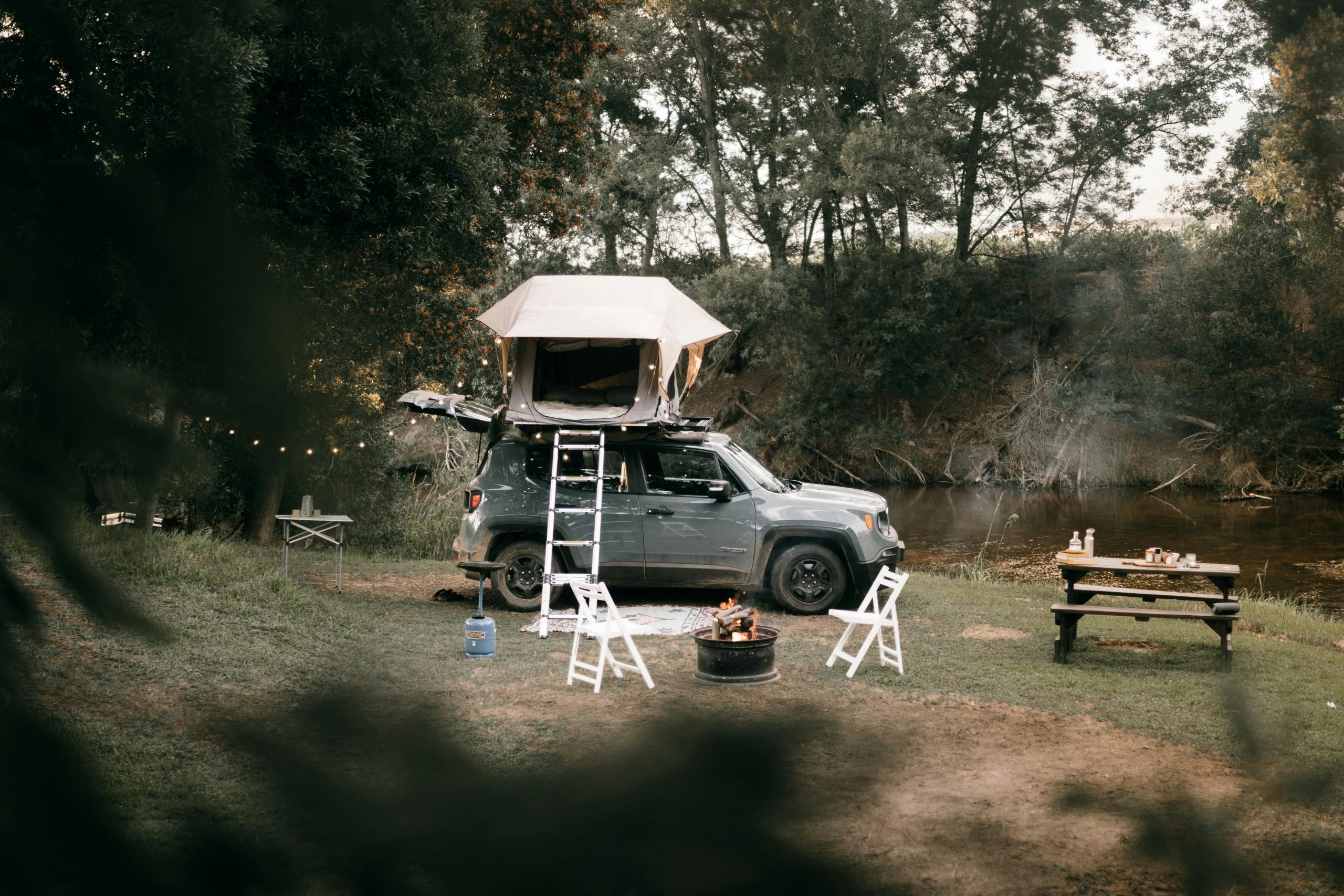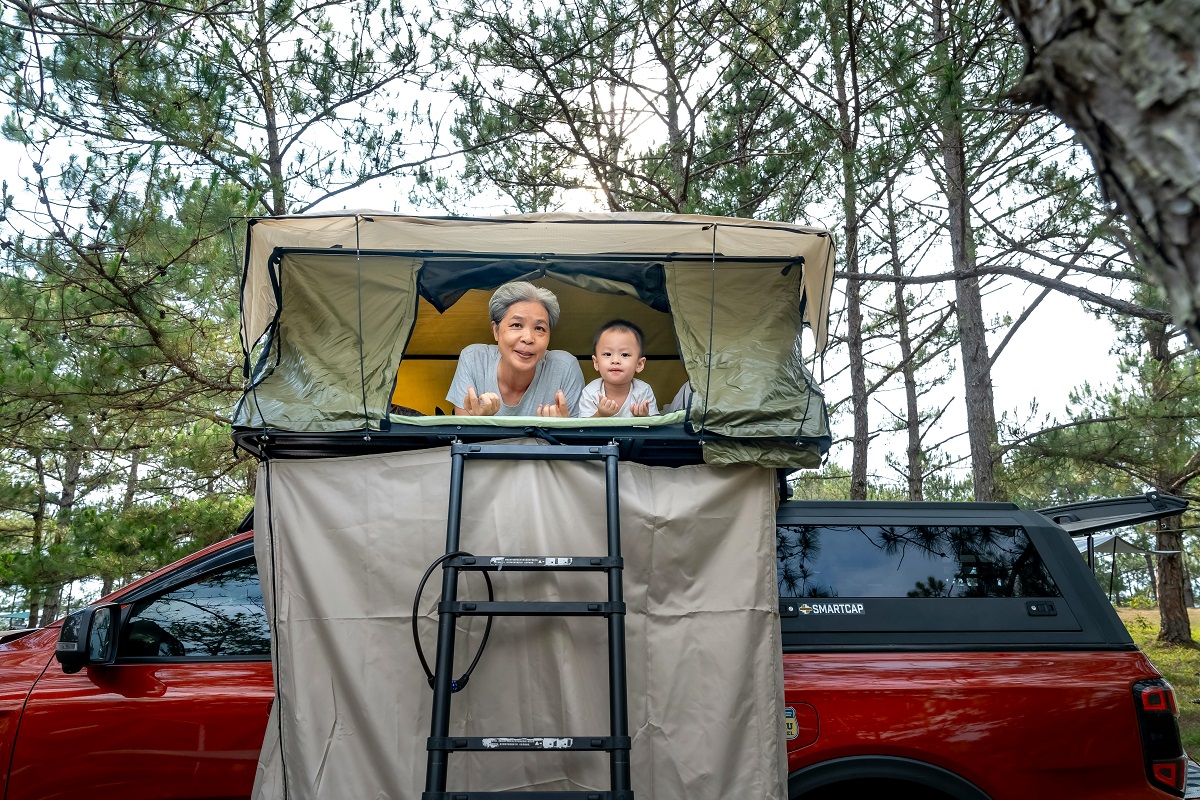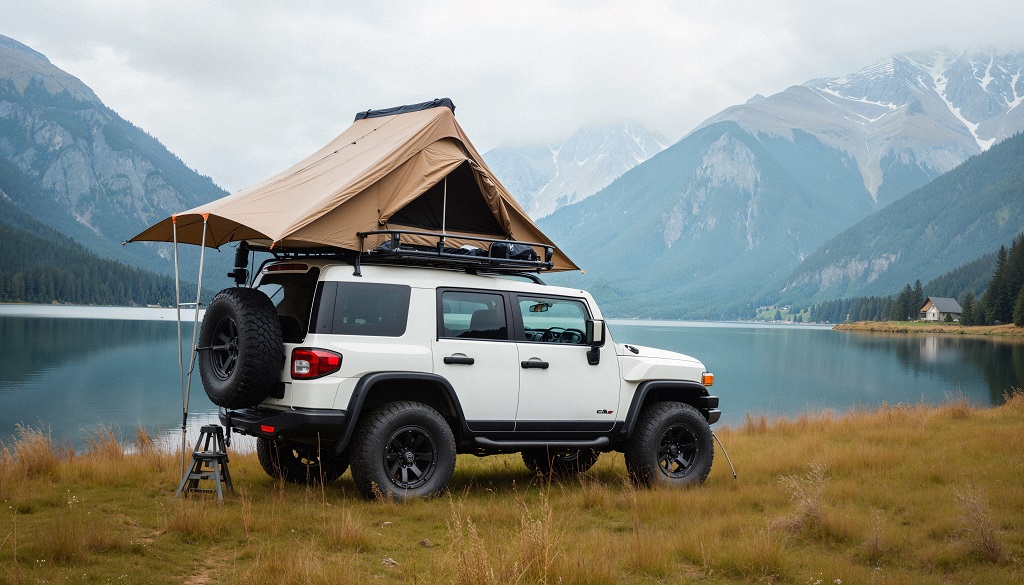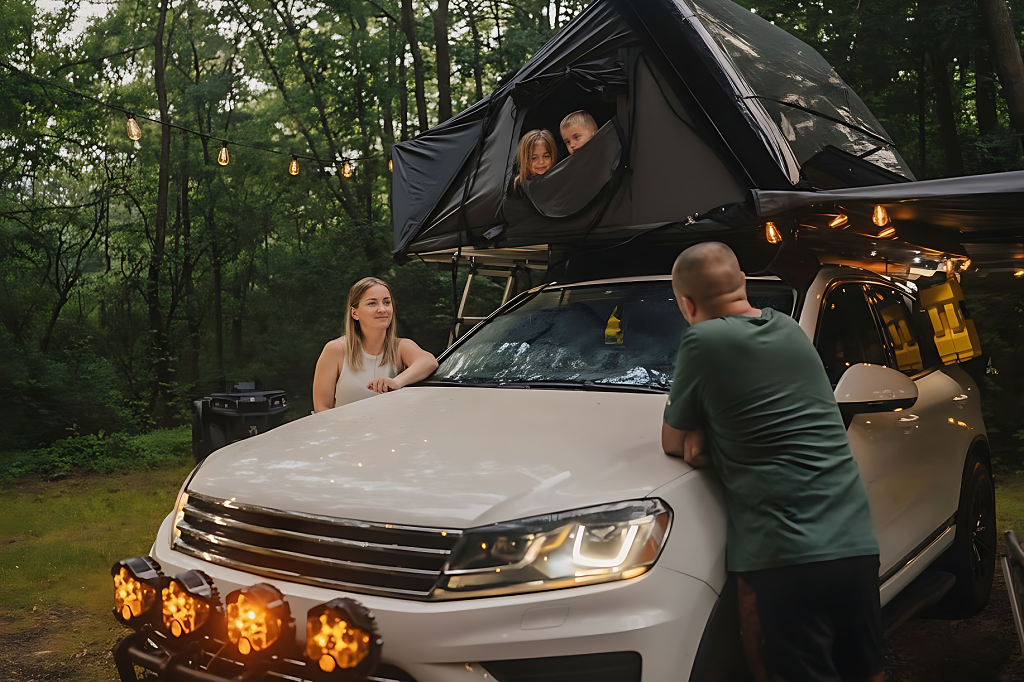

- Car camping offers convenience, comfort, and flexibility for families – it allows more gear, easy access to your car, and safer shelter from weather and wildlife.
- Seasonal gear and clothing are essential – layer appropriately, bring insulated sleeping bags in cold months, and lightweight or rainproof gear for spring and summer.
- Spring trips require flexibility – pack rain protection, insect repellent, and plan activities like wildflower hikes, fishing, and nature scavenger hunts.
- Summer camping focuses on heat management and hydration – use shade, fans, sun protection, and plan early or late-day activities with water-based fun.
- Fall and winter trips need warmth and hearty meals – insulated gear, layered clothing, hot meals, and safe winter-specific equipment ensure comfort and safety.
- Family engagement and safety are key – keep kids entertained with games, crafts, and wildlife observation, follow campsite rules, store food properly, and have an emergency plan.
Car camping is a super easy way for families to get out and enjoy nature. Since you combine the basics of camping with the convenience of your car, you can totally pack more gear, food, and cozy stuff from home.
To make the most of your family adventures all year, you’ve got to adjust your setup and what you do as the seasons change. This complete guide gives you practical, season-by-season tips for car camping year-round.
Why Choose Car Camping for Family Trips?
Car camping is ideal for families for several reasons:
- Convenience: Your car allows you to bring more gear and supplies without worrying about carrying heavy packs.
- Comfort: You can bring sleeping pads, camp chairs, and even small stoves to create a cozy setup.
- Flexibility: Car camping sites often allow drive-up access, making it easier to switch locations or leave if the weather turns bad.
- Safety: Having your car nearby provides shelter from wildlife, sudden weather changes, and emergencies.
With these benefits, it’s easy to see why families love car camping. But to truly enjoy it year-round, you’ll need to plan differently for each season.
What Gear Do You Really Need for Year-Round Car Camping?
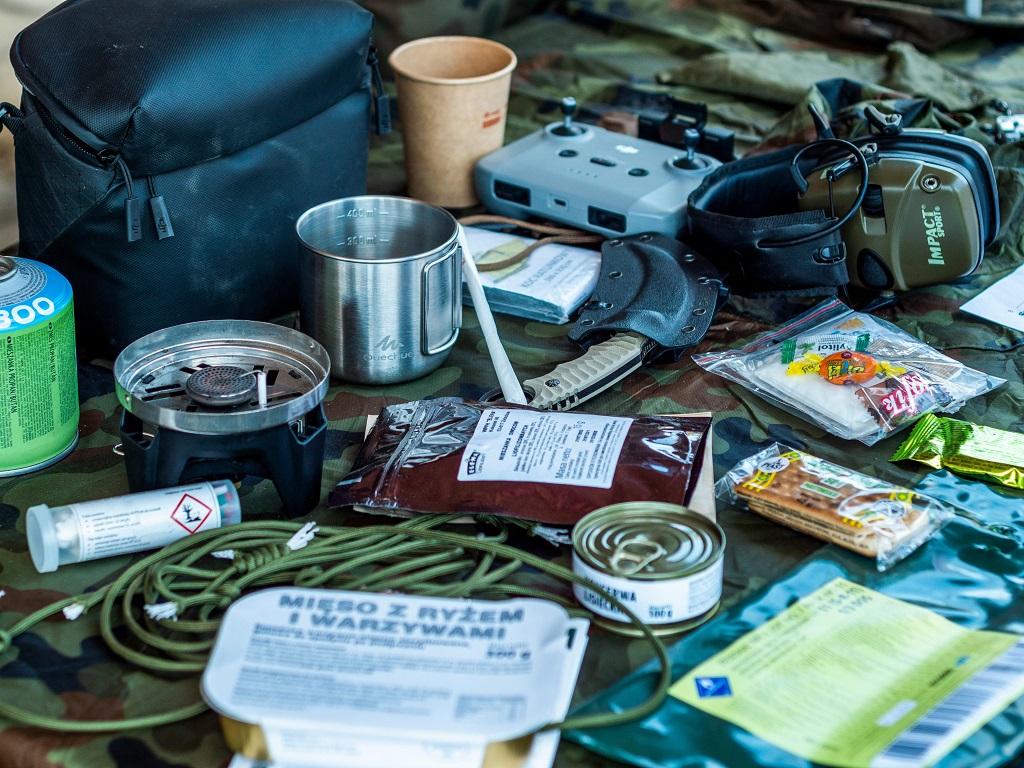
While gear requirements will vary depending on the season, there are some essentials that every family should pack:
- Tent: A durable, weather-appropriate tent. For winter trips, consider a four-season tent.
- Sleeping Bags: Choose sleeping bags rated for the season’s temperatures. Summer trips may only require lightweight bags, while winter trips need insulated, cold-weather options.
- Sleeping Pads or Air Mattresses: Provide insulation from the cold ground and extra comfort.
- Cooking Supplies: Portable stove, fuel, pots, utensils, and food storage containers.
- Lighting: Headlamps, lanterns, or portable LED lights.
- First Aid Kit: Always essential, with additional supplies for insect bites in summer or frostbite in winter.
- Clothing Layers: Base layers, mid-layers, and outer layers to adjust to changing weather conditions.
- Entertainment: Books, cards, or small games for downtime.
Having the right gear makes car camping safer, more comfortable, and more enjoyable for everyone in the family.
How to Plan a Spring Car Camping Trip
Spring is one of the most refreshing times for car camping. The temperatures are generally mild, trees and flowers are blossoming, and wildlife is more active. However, spring weather can be unpredictable, swinging from sunny days to sudden rainstorms. Preparation is key to making the most of your trip.
What to Pack for Spring
- Rain Jackets and Waterproof Boots: Spring rains are common, and trails can be muddy. Waterproof boots will keep your feet dry, while rain jackets or ponchos protect the whole family.
- Lightweight, Layered Clothing: Spring temperatures can fluctuate from chilly mornings to warm afternoons. Pack a mix of short-sleeved shirts, long sleeves, and light jackets to layer as needed.
- Insect Repellent: Early bugs, like mosquitoes and ticks, are more active near streams, lakes, and damp areas. Bring bug spray or natural repellents to protect everyone, especially children.
- Tarp or Canopy: Rain showers can come unexpectedly, so a tarp over your tent or a portable canopy for your picnic area can keep gear and meals dry.
- Extra Blankets or Sleeping Pads: Nights can still be cool, so having extra insulation inside tents ensures the kids stay warm.
Tips for Spring Activities
- Hiking and Wildflower Watching: Trails are often less crowded, and spring blooms provide a beautiful backdrop for family photos. Consider short trails for younger kids and longer hikes for older children.
- Fishing in Open Streams or Lakes: Spring is a prime time for freshwater fishing. Teach your kids basic fishing skills or enjoy a peaceful morning by the water.
- Campfire Cooking: Enjoy classic camping meals like roasted marshmallows or foil packet dinners. Always check local fire restrictions before starting a fire.
- Nature Scavenger Hunts: Make a checklist of birds, insects, flowers, or leaves to spot. This keeps children engaged and teaches them about local wildlife.
- Flexible Scheduling: Since spring weather can change quickly, plan indoor-friendly backup activities like board games or storytelling inside the tent.
Spring car camping is all about embracing change, being flexible, and taking advantage of the season’s natural beauty. Layers, rain protection, and thoughtful planning make the trip smoother and more enjoyable.
How to Make Summer Car Camping Fun and Safe
Summer brings long days, warm weather, and vibrant camping conditions—but also heat, bugs, and crowded campgrounds. With the right planning, your family can make the most of sunny summer adventures.
How to Keep Cool
- Shaded Tent Setup: Position your tent under trees or natural shade. Avoid setting up in direct sunlight to prevent overheating during the day.
- Portable Fans or Cooling Devices: Battery-operated fans or small USB-powered cooling devices help circulate air inside your tent.
- Stay Hydrated: Bring plenty of water and encourage the kids to drink frequently, especially during hikes or outdoor activities.
- Plan Morning or Evening Adventures: Schedule active outings early in the morning or later in the evening when temperatures are cooler.
- Light Clothing: Breathable fabrics like cotton or moisture-wicking materials help keep everyone comfortable.
Family-Friendly Summer Activities
- Swimming and Water Games: Lakes, rivers, or even nearby water parks can cool everyone down. Make sure to supervise children and bring life jackets if needed.
- Campfire S’mores and Storytelling: Even in summer, campfires are a highlight of family trips. Share stories, roast marshmallows, and make memories under the stars.
- Hikes and Wildlife Spotting: Early mornings are perfect for observing birds and other wildlife. Bring binoculars and a field guide for educational fun.
- Outdoor Games: Frisbee, soccer, or nature scavenger hunts keep kids active and engaged while the adults relax.
- Sun Protection: Pack hats, sunscreen, and sunglasses to prevent sunburns during outdoor play.
Summer car camping is ideal for families seeking both adventure and relaxation. Prioritizing hydration, shade, and fun activities ensures that everyone enjoys the long, sunny days safely.
How to Enjoy Fall Car Camping Without Getting Cold
Fall camping offers crisp air, stunning foliage, and fewer crowds, but the cooler temperatures require thoughtful preparation. With the right approach, fall trips can be cozy and memorable.
How to Stay Warm in Fall
- Insulated Sleeping Bags and Blankets: Even mild fall nights can get chilly. Use sleeping bags rated for lower temperatures and bring extra blankets for added warmth.
- Layered Clothing: Base layers keep moisture away from skin, while fleece or wool mid-layers provide insulation. A light, windproof outer layer protects against chilly breezes.
- Hot Water Bottles or Hand Warmers: Small heat packs inside sleeping bags can keep toes toasty throughout the night.
- Hearty, Warming Meals: Cook meals that generate warmth, like soups, chili, or pasta dishes. Cooking together around the fire can also add extra comfort and bonding time.
- Warm Footwear: Consider insulated boots for children and adults to keep feet dry and warm during outdoor activities.
Fall Activities to Try
- Leaf-Peeping Hikes: Enjoy the vibrant autumn foliage on family-friendly trails. Bring a camera to capture the colors for memories.
- Crafting with Nature: Collect pinecones, acorns, and colorful leaves to create seasonal crafts. Kids can make decorations or keepsakes from the trip.
- Stargazing on Clear Nights: Crisp fall air often means clearer skies. Lay out blankets and enjoy constellations together.
- Seasonal Cooking: Cook fall-inspired meals like baked apples, roasted veggies, or pumpkin spice treats around the campfire.
- Wildlife Observation: Many animals prepare for winter during the fall. Early morning walks can offer unique wildlife sightings.
Fall is all about embracing cooler weather and seasonal beauty. Layering clothing, staying active, and cooking hearty meals create a cozy and enjoyable experience for the whole family.
How to Handle Winter Car Camping Safely
Winter car camping offers a magical, snowy landscape, but it comes with unique challenges. Preparation is crucial to ensure your family stays safe, warm, and comfortable.
Winter Gear Essentials
- Four-Season Tents: Designed to withstand wind, snow, and cold temperatures. Make sure your tent has adequate ventilation to prevent condensation.
- Insulated Sleeping Pads: These add a layer of warmth and protect from cold ground temperatures.
- Cold-Weather Sleeping Bags: Choose bags rated well below expected temperatures. Consider mummy-style bags for maximum warmth.
- Warm Clothing: Layer base, mid, and outer layers, including thermal leggings, fleece jackets, snow boots, hats, and gloves.
- Extra Blankets and Hand Warmers: Keep backup blankets and chemical hand warmers for emergencies or added comfort.
- Safe Portable Heaters: Use only outdoor-rated heaters away from tents to prevent fire hazards.
Winter Camping Tips
- Park Strategically: Stay near sheltered areas or amenities in case of extreme weather. Avoid isolated spots that are difficult to access in snow or ice.
- Monitor Weather Conditions: Check forecasts, road conditions, and avalanche warnings if relevant. Be ready to adjust plans as needed.
- High-Calorie Meals and Warm Drinks: Cold weather increases energy demands. Bring foods that are easy to heat and rich in calories.
- Protect Electronics: Cold drains batteries quickly. Keep phones, cameras, and flashlights insulated in warm pockets.
- Winter Activities: Sledding, snowshoeing, or short winter hikes can make trips exciting. End the day with a hot drink or a safe campfire.
Winter car camping is perfect for families who love snow adventures. Proper gear, planning, and safety measures make it a fun, memorable experience rather than a risky endeavor.
How to Plan Meals for Year-Round Car Camping
Good meals can transform a camping trip from ordinary to unforgettable. With some planning, you can prepare satisfying, season-appropriate dishes while keeping cooking stress-free.
Meal Planning Tips
- One-Pot Meals: Easy to cook over a camp stove or fire, requiring minimal cleanup. Examples include stir-fries, soups, or pasta dishes.
- Pre-Prepared Ingredients: Chop vegetables, marinate meats, or pre-mix seasoning at home to save time at the campsite.
- Portable Snacks: Keep trail mix, granola bars, dried fruit, and nut packs on hand for quick energy during hikes.
- Seasonal Foods: Light, refreshing meals in summer; hearty, warming meals in winter. Pack fruits and vegetables that hold up well for the duration of your trip.
- Consider Cooking Gear: Bring portable stoves, cast-iron skillets, or foil packets for versatile campfire cooking.
Easy Meal Ideas by Season
- Spring: Veggie stir-fry with rice, fresh salads, sandwiches, and easy breakfast wraps for on-the-go mornings.
- Summer: Grilled chicken or veggie skewers, fruit salad, cold pasta salads, and ice-cold drinks to beat the heat.
- Fall: Chili, baked potatoes, roasted veggies, and warm apple cider for cozy evenings around the fire.
- Winter: Hearty soups, pasta dishes, hot chocolate, and warm breakfast oats to start the day with energy.
Well-planned meals reduce stress, keep kids happy, and give the family more time to enjoy the outdoors. Cooking together can also become a fun, bonding experience.
How to Keep Kids Engaged on Car Camping Trips
Keeping children entertained is key to a successful family camping experience.
- Nature scavenger hunts to explore the environment.
- Storytelling or family games around the campfire.
- Crafting using leaves, sticks, and pinecones collected during hikes.
- Bird watching or simple wildlife observation.
Interactive activities allow kids to learn, explore, and enjoy the outdoors while giving parents a chance to relax.
What Are Some Tips for Car Camping Comfort?
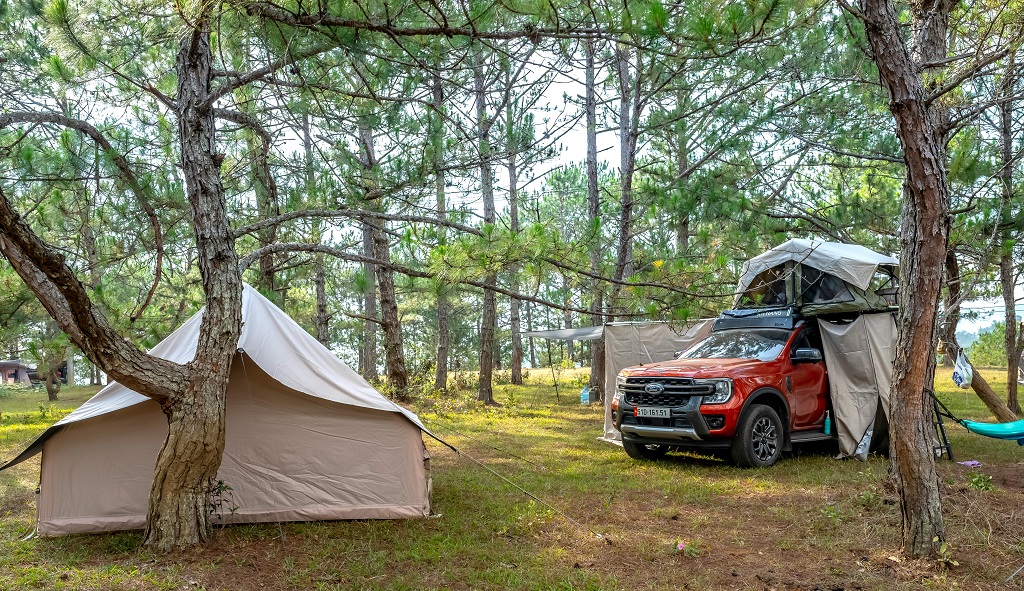
Comfort can make or break a camping trip, especially for families with young children.
- Bring extra pillows and blankets for sleeping.
- Pack folding chairs and a small table for meals and games.
- Use a ground tarp under the tent to keep moisture out.
- Consider a tent with a separate vestibule for shoes, backpacks, or muddy gear.
- Keep a well-organized car or cooler to access food, water, and supplies quickly.
Small comfort upgrades can make your family car camping trip feel like a mini-vacation rather than roughing it.
How to Stay Safe While Car Camping
Safety should always be a top priority for families on camping trips.
- Check Campsite Rules: Follow all regulations regarding fires, wildlife, and parking.
- Store Food Properly: Keep food sealed to avoid attracting animals.
- First Aid: Have a stocked kit and know basic first aid procedures.
- Weather Awareness: Monitor forecasts and plan for sudden changes.
- Emergency Plan: Know the nearest hospital or ranger station and keep your phone charged.
By following these safety tips, your family can enjoy the outdoors without unnecessary risks.
How to Pack Efficiently for Year-Round Car Camping
Efficient packing ensures you have everything you need without overloading your vehicle.
Packing Strategies
- Use Gear Organizers: Bins, bags, or crates keep items separated by type or family member.
- Plan Outfits by Layer: Helps reduce overpacking while staying ready for all temperatures.
- Multi-Use Items: Bring gear that serves more than one purpose, like a tarp that can act as a tent footprint, rain shelter, or picnic blanket.
- Pack Food Smart: Use coolers for perishables and airtight containers for dry goods.
Organized packing reduces stress at the campsite and ensures a smooth, enjoyable trip.
FAQs About Year-Round Car Camping
Can You Car Camp in Extreme Weather?
Yes, with proper gear and preparation. Winter trips require insulated tents and sleeping bags, while summer trips need sun protection and hydration. Always check weather forecasts before heading out.
How Can Families Make Car Camping Affordable?
- Camp at state parks or national forests for lower fees.
- Bring your own food and supplies to reduce dining costs.
- Use multi-purpose gear to cut down on equipment expenses.
What Are the Best Campsites for Families?
Look for sites with easy access, amenities like bathrooms, and kid-friendly activities. Avoid sites that require long hikes unless your family is experienced and prepared.
How Do You Handle Wildlife Encounters?
- Store food securely.
- Keep a safe distance from animals.
- Teach children to observe but not approach wildlife.
- Carry bear spray or noise-making devices in areas known for large animals.
Conclusion: Enjoying Car Camping Year-Round
Car camping is a flexible, family-friendly way to experience the outdoors no matter the season. By adjusting your gear, clothing, meals, and activities for spring, summer, fall, and winter, you can create memorable trips that combine adventure, comfort, and family bonding. With careful planning and attention to seasonal challenges, your family can enjoy safe, fun, and stress-free car camping adventures year-round.