
- Prioritize sleeping gear: Quality sleeping bags, pads, and pillows are essential for comfort, warmth, and a restful night during family car camping.
- Match gear to season: Lightweight and breathable gear works best for summer, while insulated sleeping bags, thick pads, and layered blankets are necessary for winter.
- Consider kids’ needs: Choose appropriately sized, easy-to-use sleeping bags and pillows, and let children practice at home to ensure a smooth bedtime.
- Optimize car or tent setup: Flatten seats, add padding, and arrange sleeping areas efficiently to maximize comfort and space.
- Bring key accessories: Sleeping bag liners, extra blankets, headlamps, bug protection, and small essentials improve convenience and comfort.
- Maintain cleanliness: Use liners, pack gear properly, and clean sleeping bags after trips to keep everything fresh and ready for future adventures.
- Plan and test ahead: Test gear at home, maintain a consistent bedtime routine for kids, and plan sleeping arrangements to avoid stress at the campsite.
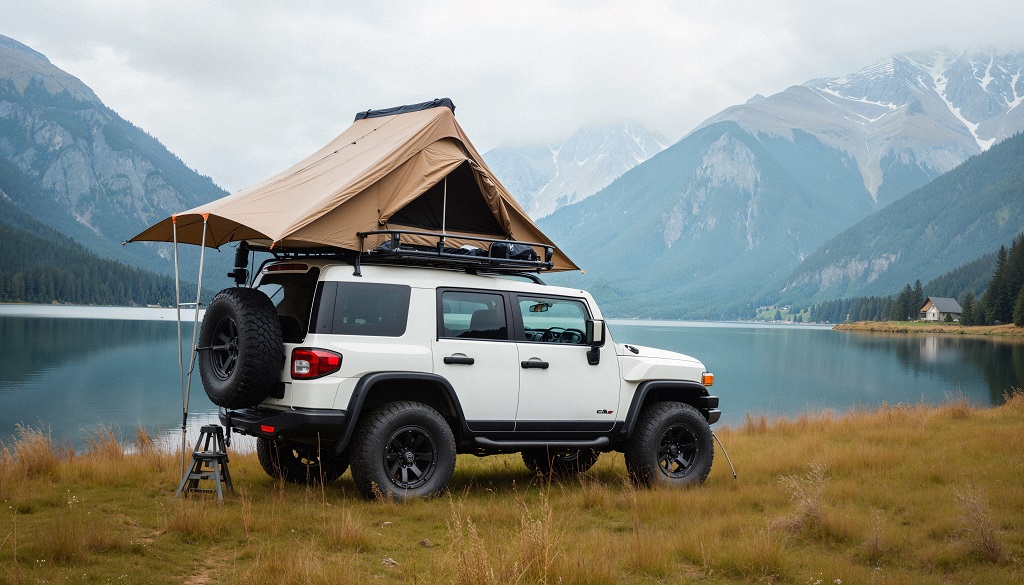
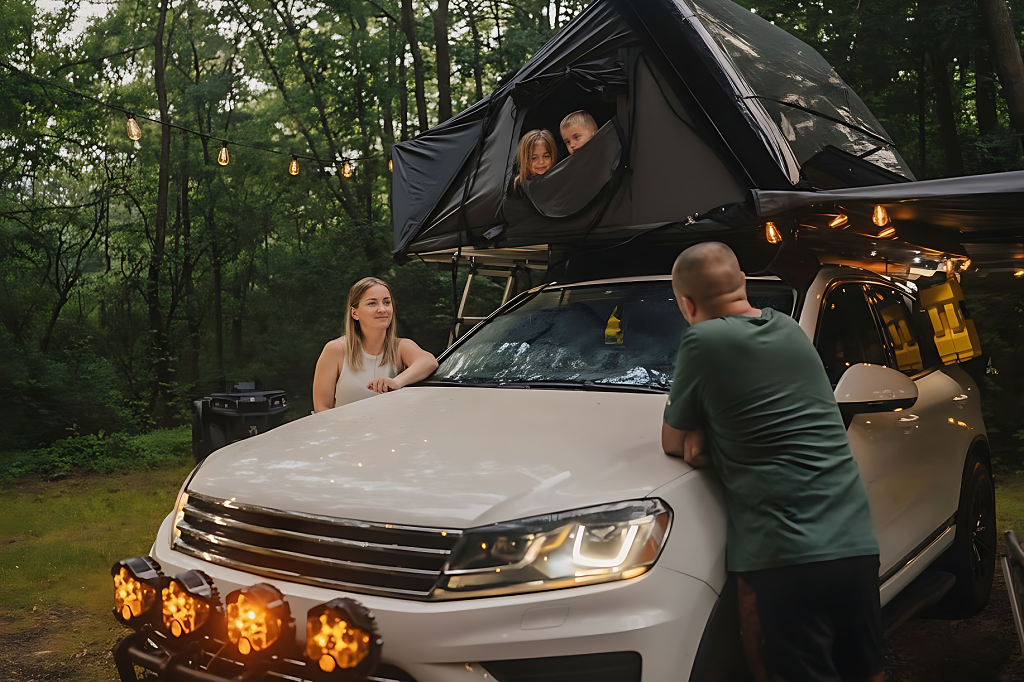
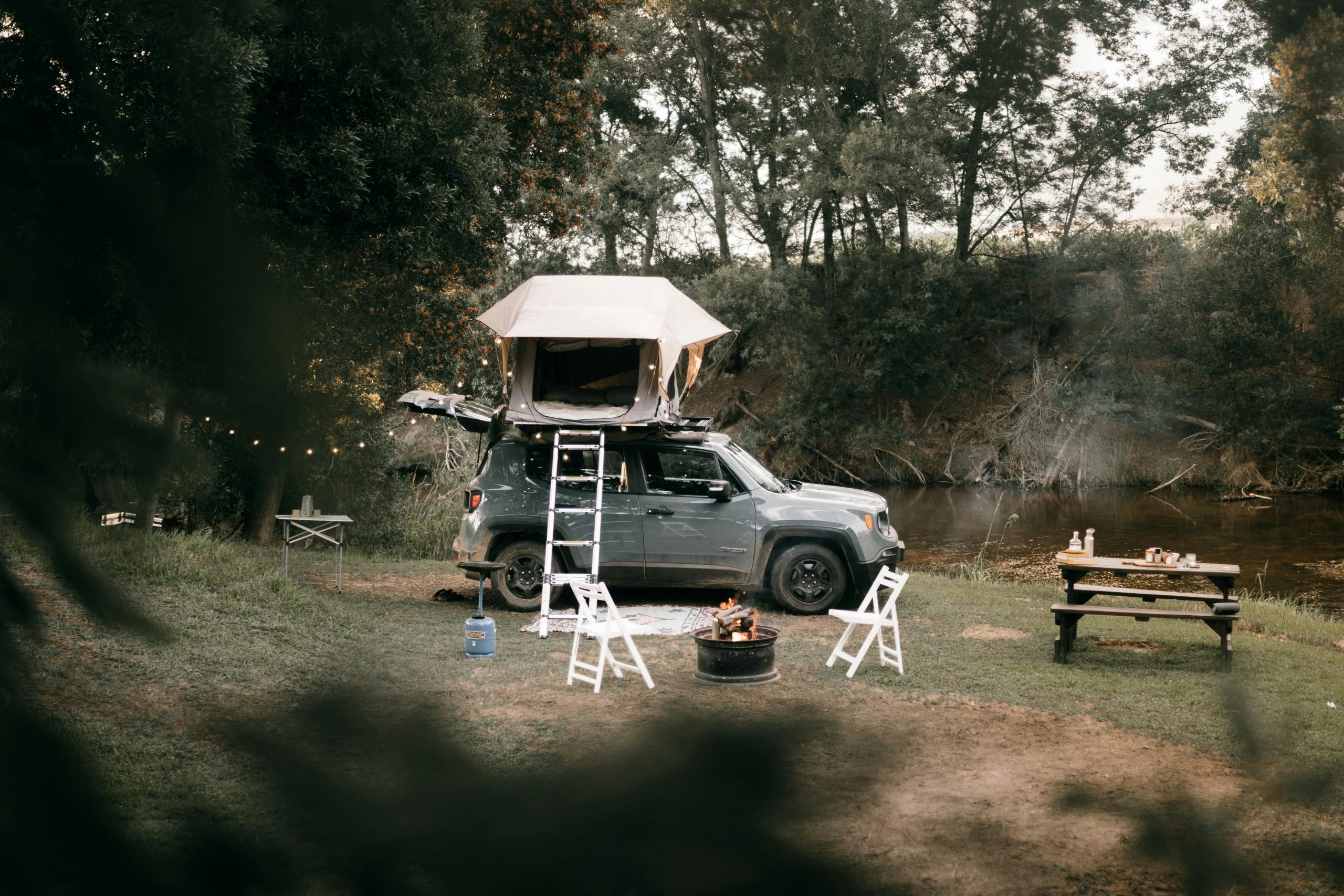
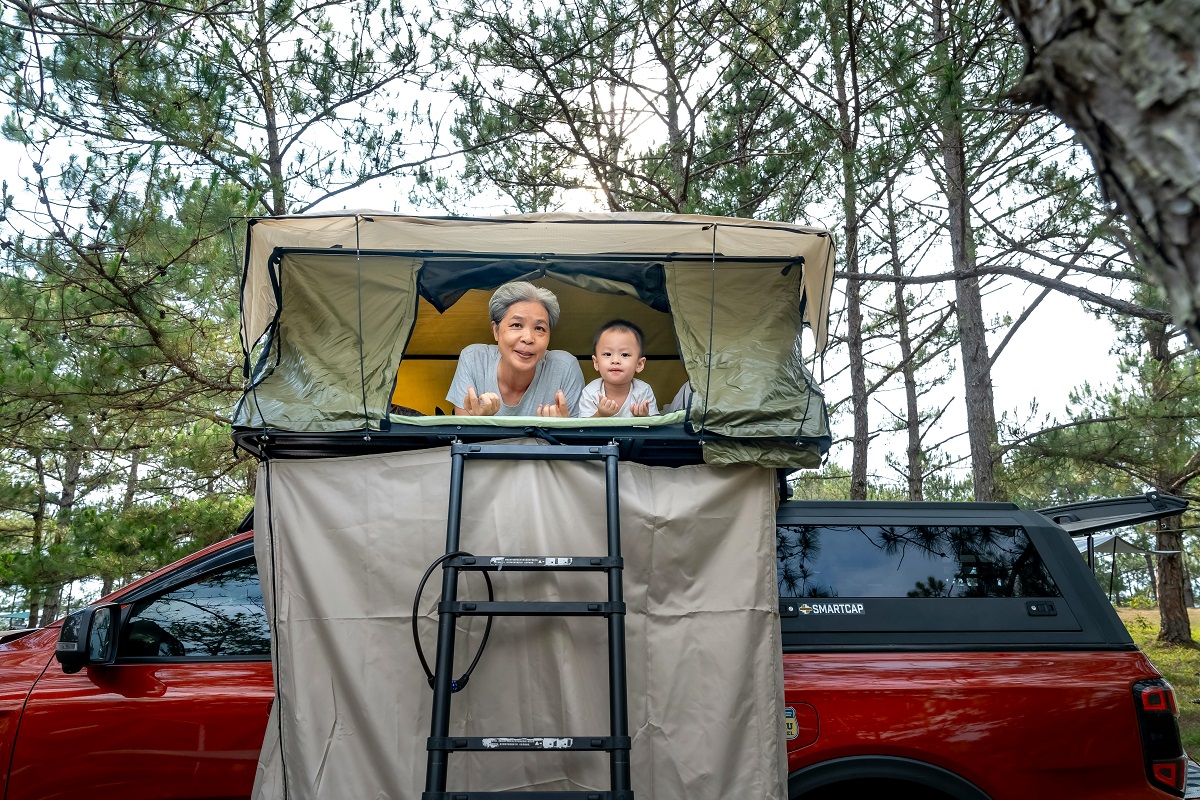
Going car camping with your family can be a fun, memorable experience, but nothing can ruin the trip faster than a poor night’s sleep. Whether you’re in a spacious SUV or a family van, having the right sleeping gear is essential for comfort, warmth, and a restful night under the stars. In this guide, we’ll cover everything you need to know to ensure everyone sleeps well and wakes up ready for adventure.
Why Is Sleeping Gear Important for Car Camping?
When planning a family car camping trip, it’s easy to focus on food, activities, and tents—but sleeping gear is just as critical. Using a car camping checklist ensures you don’t forget essentials that make a comfortable sleep setup possible, helping prevent sore backs, restless nights, and cranky campers. Good sleeping gear can also:
- Provide insulation from cold ground or chilly night air
- Reduce exposure to bugs and dirt
- Give kids a sense of security and routine
- Make packing and setting up easier for parents
Investing in quality sleeping gear isn’t just a luxury—it’s the foundation of a stress-free camping experience.
What Type of Sleeping Gear Should You Bring?

The type of sleeping gear you choose depends on your family size, the season, and your vehicle setup. Here’s a breakdown:
1. Sleeping Bags
Sleeping bags are the cornerstone of car camping comfort. Consider these factors:
- Temperature Rating: Choose a sleeping bag rated for the coldest temperature you expect. For family trips, bags rated for 20-30°F cooler than average night temps offer extra comfort.
- Shape: Rectangular bags are roomy and comfortable for kids, while mummy bags are better for adults needing more warmth and compact storage.
- Material: Synthetic insulation is easier to care for and dries faster, while down insulation is lightweight and compressible but requires more care.
Pro Tip: Bring extra blankets for layering—especially for kids who may get cold easily.
2. Sleeping Pads and Air Mattresses
Sleeping directly on the ground can be uncomfortable, so sleeping pads or air mattresses are key. Options include:
- Foam Pads: Lightweight, inexpensive, and durable. They provide decent insulation but can be less cushioned.
- Inflatable Air Mattresses: Provide plush comfort similar to a bed. Make sure it fits your vehicle if you plan to sleep inside.
- Self-Inflating Pads: Great for balancing comfort and portability. They inflate automatically to a certain thickness and are easy to store.
Tip: Test your mattress or pad at home before the trip to ensure it’s the right size and firmness.
3. Pillows
Never underestimate the power of a good pillow. Options for car camping include:
- Compact camping pillows
- Inflatable travel pillows
- Regular pillows from home for added comfort
For kids, consider small, soft pillows to make them feel secure. Pillows can also double as cushions for reading or lounging inside the tent.
How Can You Make Sleeping in the Car Comfortable?
Car camping is convenient, but sleeping in a vehicle can be tricky. Here’s how to make it more comfortable:
- Flatten the Seats: Fold down or remove seats to create a flat sleeping surface.
- Add Padding: Use foam pads, blankets, or air mattresses to soften the ride.
- Control the Temperature: Vent windows slightly for airflow or use sleeping bags rated for the season.
- Privacy: Use window shades or blankets to block light and create a cozy environment.
Tip: Keep water and a flashlight within reach for nighttime needs.
Tent or Car Sleeping: Which Is Better for Families?
Many families struggle with deciding whether to sleep in a tent or inside the car. Here’s a comparison:
| Factor | Tent | Car |
| Space | Often more room for multiple family members | Limited space unless you have a large SUV or van |
| Comfort | Requires sleeping pads or cots | Air mattresses can mimic bed comfort |
| Weather Protection | Needs a rainfly or tarp in rain | Built-in protection from wind and rain |
| Setup Time | Can take 15-30 minutes | Minimal setup; just flatten seats and arrange bedding |
| Privacy | More secluded | Less private unless windows are covered |
Decision Tip: For short trips or inclement weather, sleeping in the car is easier. For longer stays, a tent offers more space and flexibility.
Must-Have Accessories for a Good Night’s Sleep
Even with the right sleeping bags and pads, a few extra items can make nights smoother:
- Sleeping Bag Liners: Add warmth and keep sleeping bags clean.
- Headlamps or Clip-On Lights: Handy for nighttime trips to the bathroom or for reading.
- Earplugs and Eye Masks: Help light sleepers or children who are sensitive to noise.
- Extra Blankets: Perfect for layering or unexpected chilly nights.
- Bug Repellent or Mosquito Nets: Especially useful for tents and open windows.
Tip: Keep a small bag of essentials near your sleeping spot for quick access at night.
How Do You Choose the Right Sleeping Bag for Kids?
Children need special attention when selecting sleeping gear. Consider:
- Size: Bags too large can feel uncomfortable; too small can be restrictive.
- Temperature Comfort: Kids lose heat faster than adults, so choose slightly warmer bags.
- Fun Designs: Fun colors or patterns can make bedtime more exciting.
- Ease of Use: Easy-to-zip bags encourage independence.
Pro Tip: Let children practice sleeping in their bags at home before the trip—it reduces nighttime fussiness.
Sleeping Gear for Summer vs. Winter Camping

Sleeping gear needs vary depending on the season:
Summer
- Lightweight, breathable sleeping bags or quilts
- Thin sleeping pads for comfort
- Bug protection is critical
- Ventilation inside the tent or car is a must
Winter
- Heavier, insulated sleeping bags rated for cold temperatures
- Thick pads or insulated air mattresses to prevent heat loss to the ground
- Layered blankets and extra clothing
- Warm hats or socks for added comfort
Tip: Layering is key. Even in winter, you can adjust layers to prevent overheating.
How Do You Keep Sleeping Gear Clean on a Family Camping Trip?
Camping can be messy, but proper maintenance keeps gear fresh:
- Use sleeping bag liners to reduce dirt contact
- Pack gear in waterproof bags or storage bins
- Shake out pads and mats before storing
- Wash sleeping bags per manufacturer instructions after the trip
Tip: Encourage kids to keep a small mat or blanket under themselves to avoid getting dirt on sleeping bags.
Car Camping Sleeping Layout Ideas
Making the most of your car space can improve sleep quality:
- SUV Setup: Fold seats down, add an air mattress, pillows, and blankets. Keep a basket for essentials.
- Van Setup: Remove a few seats if possible and create a flat sleeping platform. Add cushions and storage bins for gear underneath.
- Compact Cars: Consider using camping cots that fit in the back or sleep at an angle to maximize space.
Pro Tip: Plan sleeping arrangements before arriving at the campsite to avoid late-night frustration.
What Are Some Extra Tips for a Comfortable Night?
Here are additional tips to improve family camping sleep:
- Keep a consistent bedtime for kids to maintain routine
- Bring soft slippers or socks to keep feet warm
- Avoid heavy meals right before sleeping to prevent discomfort
- Hydrate during the day, but limit liquids before bed to reduce bathroom trips
- Test new gear at home to ensure comfort and familiarity
Recommended Sleeping Gear Brands for Families
While brand choice depends on budget and preferences, some family-friendly options include:
- Sleeping Bags: Coleman, REI Co-op, Teton Sports
- Air Mattresses: Intex, SoundAsleep, Exped
- Sleeping Pads: Therm-a-Rest, Nemo, Klymit
- Pillows: Sea to Summit, Nemo, Trekology
Tip: Read reviews and consider durability, ease of setup, and comfort before investing.
How Can You Make Sleep Fun for Kids While Camping?
Car camping isn’t just about survival—it can be a fun experience for children:
- Let kids choose their sleeping bags or pillowcases
- Bring small bedtime books or flashlights for reading
- Set up a “sleeping area” with toys and comfort items
- Create a nighttime ritual like telling stories or singing songs
Tip: A positive bedtime experience keeps kids excited about camping and reduces fussiness.
Packing and Storing Sleeping Gear Efficiently
Efficient packing keeps your car organized and maximizes space:
- Roll or stuff sleeping bags tightly to save space
- Use compression sacks for bulky items
- Store sleeping pads flat under gear or seats if possible
- Keep pillows in a separate bag or vacuum-sealed bag to avoid flattening
Tip: Label bags for each family member to speed up setup at the campsite.
Common Mistakes to Avoid With Sleeping Gear
Avoid these common pitfalls to ensure a smooth camping trip:
- Choosing sleeping bags not rated for expected temperatures
- Forgetting extra blankets or liners for children
- Using gear that hasn’t been tested before the trip
- Overpacking bulky items that don’t fit in the car
- Ignoring car ventilation when sleeping inside
Pro Tip: Plan and test everything at home to avoid surprises in the wilderness.
Final Thoughts: Prioritize Comfort for Family Fun
Family car camping can be one of the most rewarding outdoor experiences—but it starts with a good night’s sleep. Choosing the right sleeping bags, pads, pillows, and accessories ensures everyone stays comfortable, warm, and happy. With thoughtful planning, a little preparation, and the right gear, you can transform your car camping trip into a restful, enjoyable adventure for the whole family.
Sleep well, wake up refreshed, and enjoy your family adventures under the stars!