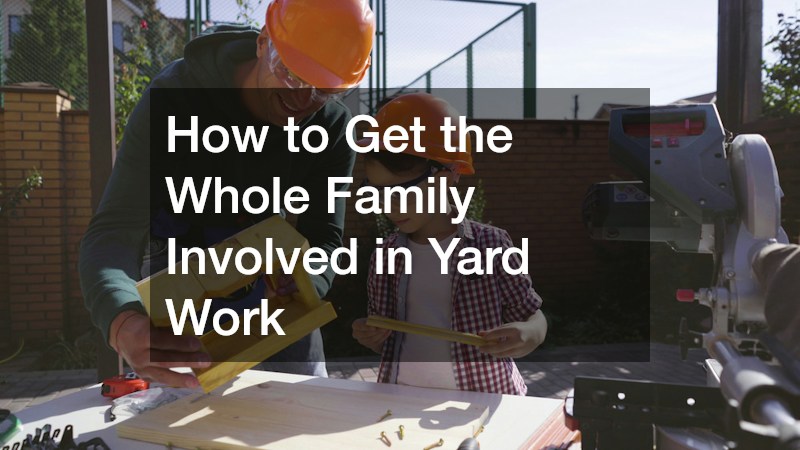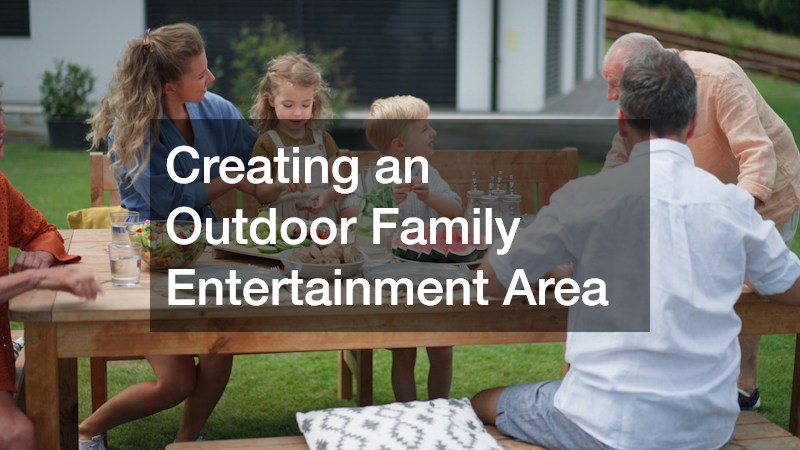

Picture an ideal weekend evening at home. The kids are playing safely within view, dinner is sizzling on the grill nearby, and everyone is gathered comfortably in the fresh air without staring at separate indoor screens. For many homeowners, this is the dream, yet the reality of their backyard often falls short. Unpredictable weather, intense afternoon sun, uneven terrain, poor layout flow, and the inevitable invasion of evening insects can quickly drive the family back inside. Transforming a standard patch of grass into a highly functional, multi-generational hub requires more than just buying a new set of patio furniture. It requires thoughtful planning, structural integrity, and a clear vision for how your family wants to live outdoors.
Assemble a step-by-step blueprint for planning, building, and finishing a durable outdoor entertainment space. We will cover how to balance adult relaxation zones with kid-friendly play areas, how to maximize your property value with smart structural choices, and how to create a layout that flows seamlessly from one activity to the next. By following a strategic approach to landscaping, hardscaping, and weatherproofing, you can build a backyard destination that works beautifully across multiple seasons and stands the test of time.
Evaluate Sunlight, Sightlines, and Hidden Safety Hazards

Understanding how the sun moves across your property is critical for placing seating and entertainment features. You do not want your outdoor television facing the harsh afternoon glare, nor do you want your primary dining table situated where the evening sun blinds your guests. Spend a few days mapping the light from morning to dusk. At the same time, inspect the perimeter of your yard for structural and natural liabilities.
- Analyze the canopy: Look up to identify dead limbs, overhanging branches, and dense canopy growth that could drop sap, abrasive leaves, or heavy debris onto your planned seating areas or delicate outdoor electronics.
- Bring in the experts: If you have large, mature trees near your planned build site, you may need to call a local tree service to safely crown-thin the canopy. This allows for beautiful dappled sunlight while pruning dangerous limbs away from your future structures.
- Establish clear sightlines: Ensure that the primary seating and cooking areas have an unobstructed view of the grassy zones where children and pets will be playing.
- Check local zoning: Before finalizing your layout, review your property lines, utility easements, and local setback requirements to ensure your planned structures are legally compliant.
Reclaim Usable Square Footage and Level the Ground
Many backyards have hidden tripping hazards, aggressive root networks, and leftover debris that break up the flow of the yard and severely limit where you can build. Clearing these obstacles is vital for a flat, safe foundation.
- Eradicate old obstacles: Old tree bases left to rot in the ground will eventually cause the soil above them to sink. Hiring a professional stump removal service ensures these remnants are ground down completely below grade, which prevents future ground settling, eliminates habitats for wood-boring pests, and protects your lawnmower.
- Master the grading: Proper drainage is the unsung hero of a great backyard. Outline a basic grading plan to ensure the ground slopes slightly away from your home’s foundation.
- Prevent water pooling: If your yard naturally dips in the center, you must address this before laying foundations. Use French drains or subtle regrading to ensure rainwater flows away from your future entertainment zones rather than turning them into muddy swamps.
Pour Reinforced Foundations for Heavy Installations
Space planning is crucial when laying out your hardscapes. You must account for the physical footprint of your features and the clearance required to use them comfortably. For instance, you should allow at least 36 inches of push-back clearance around outdoor dining chairs, and a minimum of seven feet of safe radius around open fire features.
- Plan for massive weight: Built-in grill islands, masonry pizza ovens, filled hot tubs, and heavy sectional seating require incredibly strong foundations. A basic paver patio will shift under this kind of concentrated weight.
- Focus on the slab: For these heavy installations, you need thick, properly reinforced foundations that can resist cracking through seasonal freeze-thaw cycles. Rebar or steel mesh reinforcement is non-negotiable for longevity.
- Incorporate utilities early: Experienced concrete contractors can embed PVC conduits for your outdoor lighting, audio cables, and electrical outlets prior to the pour. This prevents the need to run ugly exterior wires across your beautiful new patio.
- Enhance the aesthetics: Ground-level surfaces do not have to be boring grey slabs. Professionals can incorporate stamped textures, exposed aggregate for crucial slip resistance, or subtle staining to mimic natural stone.
Connect Activity Zones with Slip-Resistant Paths
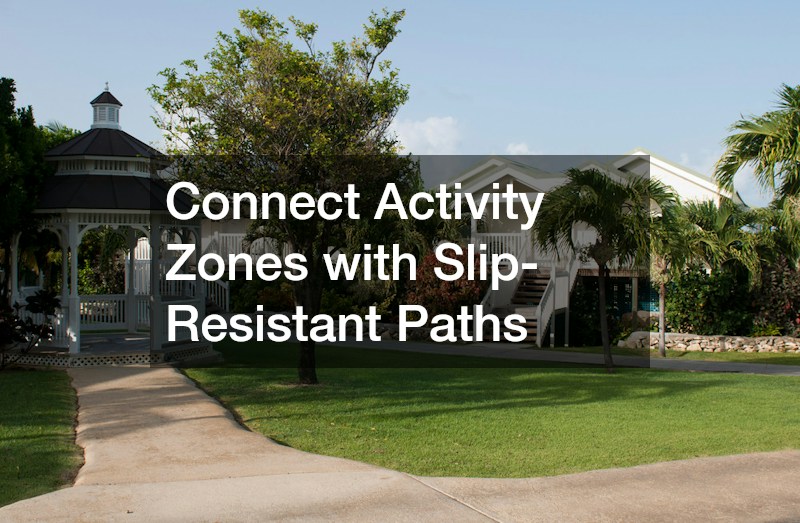
An often-overlooked aspect of outdoor design is the traffic flow between the back door, the cooking station, the dining area, and the open yard. Without dedicated paths, guests will trample your grass, create muddy trails, and track dirt into the house.
- Choose the right materials: Compare interlocking pavers, natural flagstone, and permeable brick. Prioritize materials that offer excellent traction for wet, bare feet, especially if your entertainment area is near a pool, a hot tub, or a children’s splash zone.
- Engineer the base layer: A pathway is only as good as what lies beneath it. It is essential to work with reputable paving companies that understand how to engineer proper compacted gravel bases and install rigid edge restraints.
- Prevent long-term issues: A professionally installed base keeps the walking surface perfectly flush over the years, prevents weed intrusion between the joints, and supports natural stormwater drainage so puddles do not form on your walkways.
Anchor Elevated Lounges with Warp-Free Framing
An elevated platform expands your usable square footage, offering a sweeping view of the yard below. However, the structural materials you choose will dictate how much maintenance you will face in the future. Large family gatherings, heavy dining tables, and large planters put immense stress on elevated surfaces.
- Understand material limitations: Traditional treated wood joists and beams are highly susceptible to twisting, rotting, and sagging as they are exposed to years of moisture and temperature fluctuations. This inevitably leads to uneven surface boards, wobbly safety railings, and constant maintenance.
- Invest in modern longevity: Upgrading the skeleton of your platform is one of the smartest investments you can make. Utilizing a steel framed deck guarantees straighter board lines and superior load-bearing strength that will never succumb to rot or termite damage.
- Enjoy minimal upkeep: While the initial cost may be slightly higher, the long-term return on investment is substantial. You gain unparalleled fire resistance, immense structural stability for heavy outdoor furniture, and the peace of mind that your underlying frame will outlast the surface decking.
Create a Focal Point for All-Season Dining
An open-air, covered structure defines the space, giving your backyard true architectural presence. It transforms a simple backyard into a dedicated outdoor living room, anchoring family gatherings and providing a sense of enclosure while still embracing the fresh air.
- Design for comfort: Practical layout considerations are vital. Plan the ceiling structure to accommodate mounted outdoor-rated ceiling fans to keep the air moving on stagnant summer days.
- Integrate entertainment: Pre-wire the structure for weather-rated speakers in the corners and recessed, dimmable LED lighting to set the perfect mood for evening board games or late-night conversations.
- Elevate the aesthetics: If you want a structure that blends warmth with incredible structural longevity, consider a timber frame porch. The exposed heavy wooden beams create soaring, vaulted ceilings that feel incredibly airy and spacious.
- Support heavy additions: These robust wooden structures do more than just look beautiful; their massive load-bearing capabilities make them the perfect anchor points for hanging porch swings, heavy custom chandeliers, or intricate string lighting displays.
Adapt to Shifting Sun Angles and Eliminate Glare

Fixed, permanent shade structures are excellent, but they are not always ideal for every situation. Families often want warm, direct sun during the chilly days of spring and fall, but require total shade during the peak heat of July. Furthermore, afternoon sports viewing or evening movie nights require dark, glare-free conditions on your screens.
- Embrace flexible shading: You need a dynamic solution that changes with the seasons and the time of day. Compare manual hand-crank systems against modern motorized overhead shading systems.
- Look for smart features: The best modern shading systems include wind sensors that automatically retract the heavy fabric during sudden, violent gusts, protecting your investment from storm damage.
- Control the climate on demand: Integrating high-quality retractable awnings allows you to extend your usable patio hours at the push of a button. They protect expensive outdoor upholstery from fading under UV rays and can drop patio temperatures by up to 20 degrees in the summer, all while allowing winter light to warm your home’s interior windows when retracted.
Keep the Evening Chill and Mosquitoes Out
Ask any homeowner why they abandon their beautiful backyards at dusk, and the answer is almost universally the same: mosquitoes, gnats, and heavy humidity. If you want to enjoy outdoor family dinners and late-night relaxation, you have to create a barrier between your family and the pests.
- Choose the right barrier: Look into highly durable fiberglass screens or specialized pet-resistant mesh if you have dogs that tend to jump or scratch at doors.
- Prioritize traffic flow: When designing your barriers, integrate wide hinged doors or smooth sliding tracks. This makes it incredibly easy to carry wide trays of food from the indoor kitchen to the outdoor dining table without struggling with a flimsy screen door.
- Extend the season: To combat the crisp autumn evening chill, integrate portable infrared heaters or hardwired radiant heat panels into the enclosed ceiling.
- Create a true sanctuary: Installing custom patio screen enclosures is the ultimate way to turn an exposed, vulnerable slab into a completely bug-free haven. Toddlers can play on the floor safely, and family dinners will never again be interrupted by swatting hands or windblown napkins.
Weatherproof Your Roof to Protect Investments
If you are building a permanent pavilion or extending your home’s roofline over a patio, moisture protection is your absolute highest priority. Water intrusion will quickly destroy outdoor televisions, audio receivers, and expensive cushioned furniture.
- Ensure a seamless tie-in: Your new permanent covered structure must tie flawlessly into your home’s existing roofline and gutter drainage system. A mismatched or poorly angled roof extension will look tacked-on and will likely cause water to pool against your home’s exterior walls.
- Focus on the flashing: Detail the moisture-protection essentials with your builder. This includes proper metal flashing at the joints, ridge ventilation to prevent trapped heat, seamless gutter tie-ins, and matching the shingles or standing-seam metal perfectly to the main house.
- Rely on licensed professionals: Because this involves the structural integrity of your home’s primary moisture barrier, you must advise working directly with licensed roofing contractors. They ensure your new outdoor living room meets structural wind ratings, features perfectly leak-free valleys, and maintains all valid material warranties.
Blend Hardscapes Softly into the Play Yard
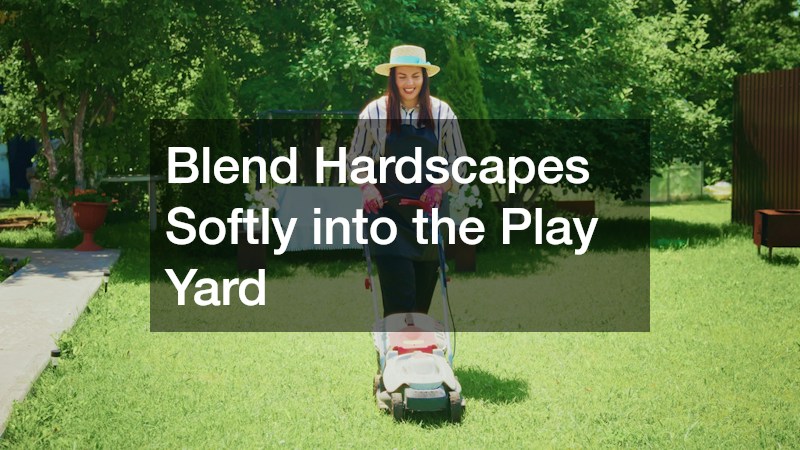
A successful family backyard balances the hardscaping (the patios, kitchens, and pathways) with lush, soft green space. Kids and pets need wide-open, unencumbered room to run, play tag, and set up lawn games like cornhole or soccer without feeling boxed in by endless concrete and stone.
- Soften the transitions: Avoid harsh drop-offs from patios to the grass. Create softened, mulched border beds filled with non-toxic, native plants that serve as a visual buffer between the dining area and the play zone.
- Add safety lighting: Install low-voltage, downward-facing pathway lighting along the edges of the grass. This illuminates the borders at night, preventing tripping accidents when the kids are running around at dusk.
- Choose the right grass: Seed or sod with highly durable, high-traffic grass varieties that can bounce back from heavy weekend use and running pets.
- Maintain the cushion: An outdoor entertainment area is only as good as the ground the kids play on. Commit to a realistic, seasonal lawn care routine that includes core aeration, maintaining proper mowing heights to encourage deep roots, and using organic fertilization to keep the turf thick, cushioned, and resilient against heavy foot traffic.
Building a cohesive, multi-functional outdoor entertainment area transforms how your family interacts at home. By starting with thorough site preparation and solid foundations, layering in adaptable weather protection, and finishing with comfortable amenities that cater to both adults and children, you create a space that draws everyone outside.
Keep in mind that this level of transformation does not have to happen all at once. A phased budgeting approach is often the smartest route. You can prioritize clearing the yard, pouring the structural foundations, and completing the electrical rough-ins during phase one. In the following year, you can add the overhead shade, bug protection, and luxury finishing touches.
To take the first concrete step toward bringing your backyard vision to life, step outside this weekend with a notepad. Sketch a rough zone map of your yard, mark the sun paths, note the sightlines from your kitchen window, and list your family’s top three outdoor activities. This simple exercise will lay the groundwork for your ultimate outdoor retreat.