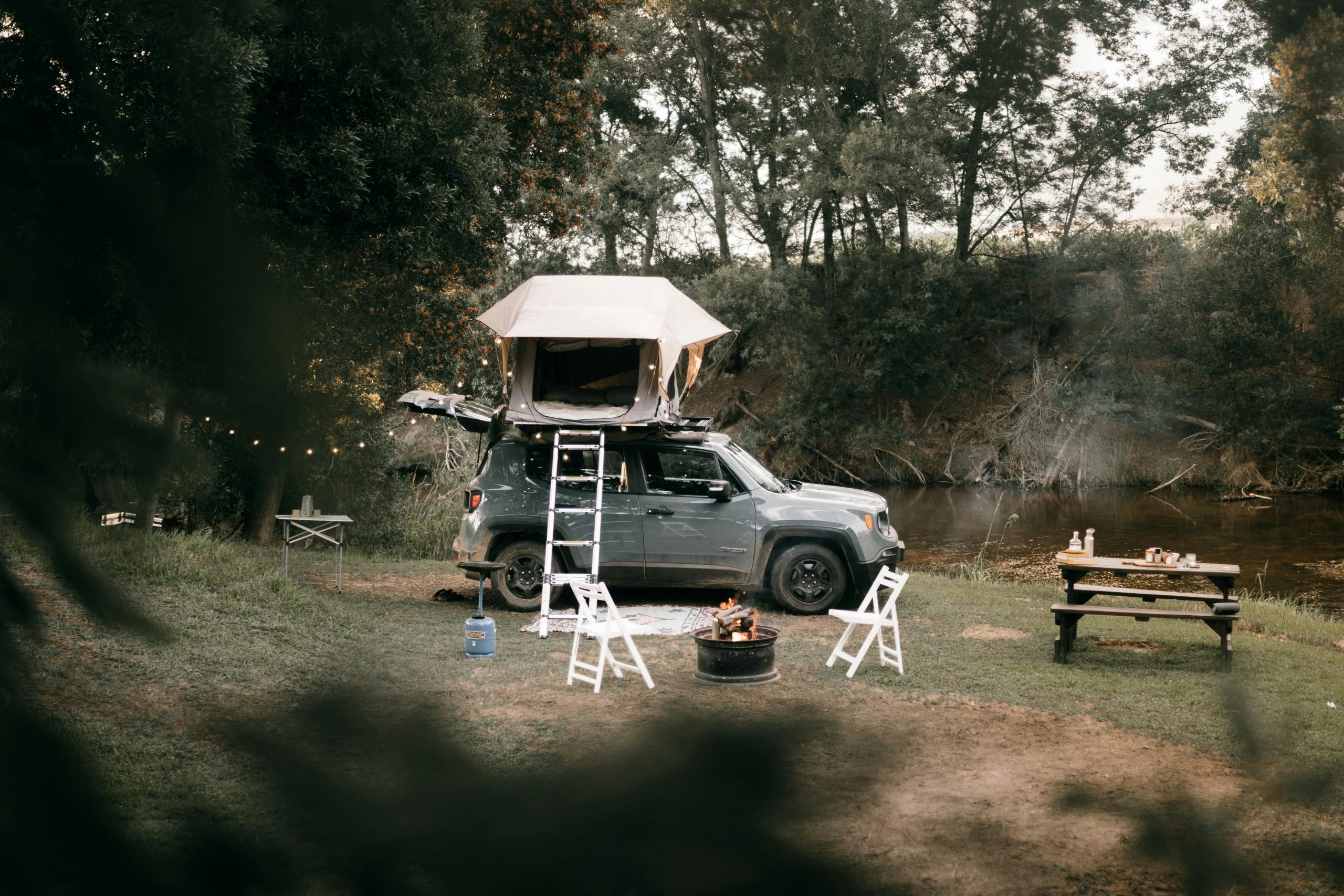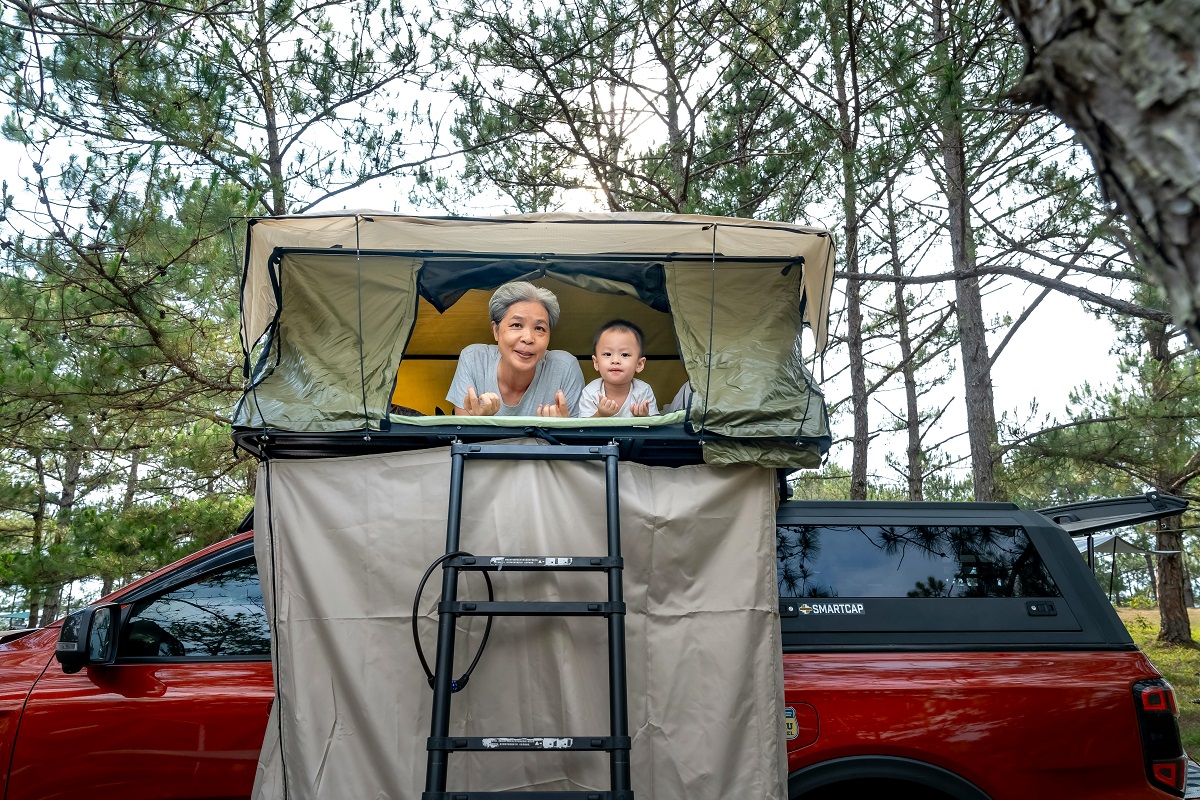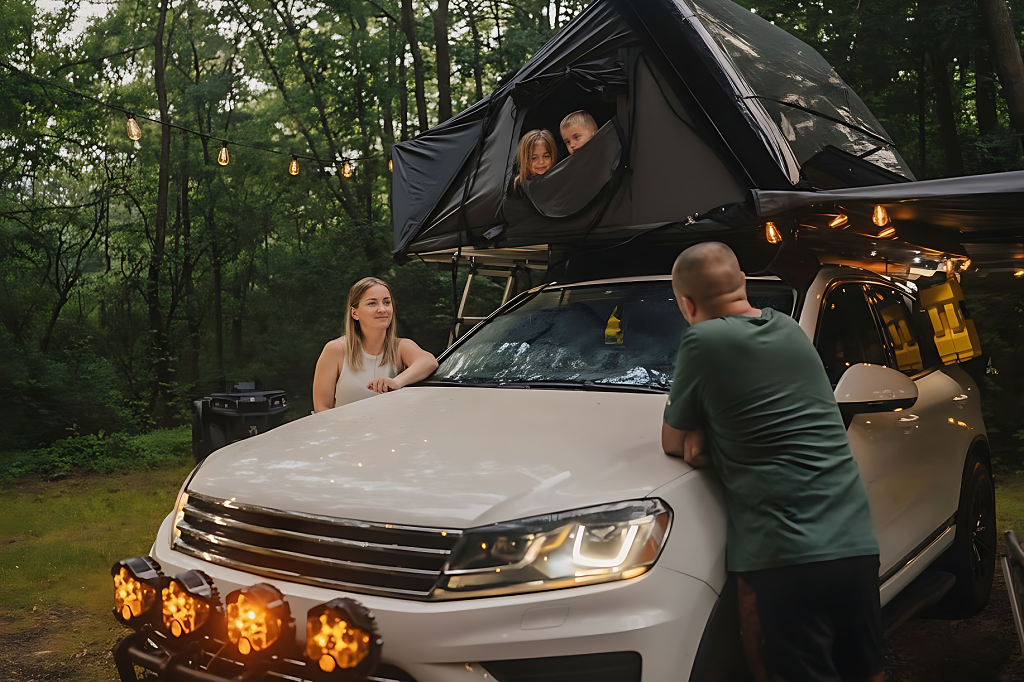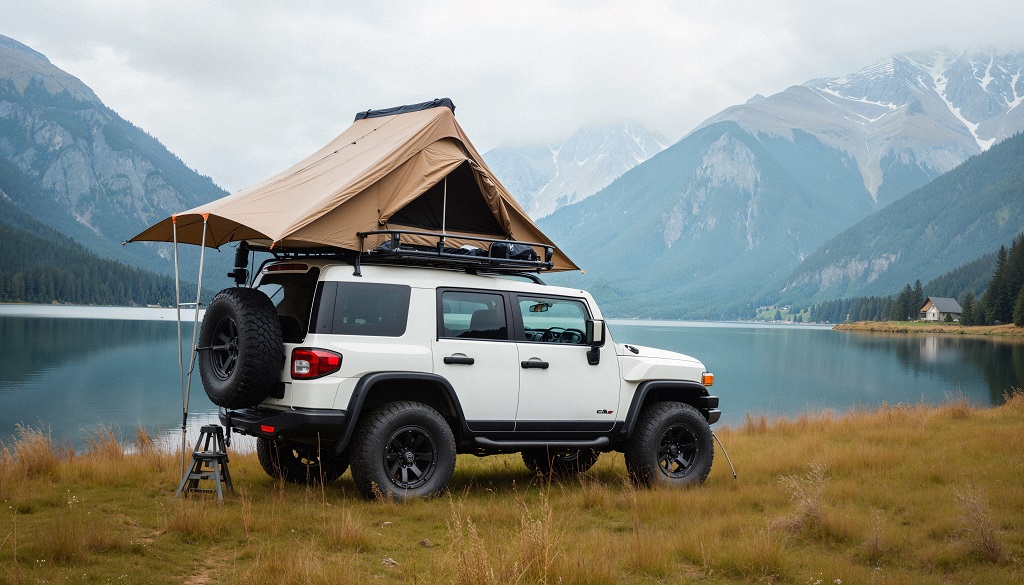

- Car camping combines comfort and convenience – Your vehicle can serve as both transport and part of your sleeping setup, making trips easier for families of all ages.
- Choosing the right vehicle matters – SUVs, minivans, and pickup trucks offer space and versatility, which simplifies gear storage and sleeping arrangements.
- Proper campsite selection is key – Consider amenities, terrain, safety, and nearby activities to ensure a smooth, enjoyable experience.
- Pack smart and organize efficiently – Separate gear by category, keep essentials accessible, and use soft-sided bags or cargo carriers to maximize space.
- Family-focused planning enhances fun – Plan meals, activities, downtime, and safety measures to keep everyone comfortable and entertained.
- Eco-friendly and safety-conscious practices matter – Leave no trace, follow fire rules, respect wildlife, and prepare for weather to create a safe and sustainable trip.
Car camping is one of the most accessible ways for families to enjoy the outdoors without the hassle of traditional backpacking. With your vehicle serving as both transport and part of your sleeping setup, you can pack more gear, stay comfortable, and focus on creating memorable experiences. Whether you’re a seasoned camper or planning your first family adventure, this guide will help you master the ultimate car camp setup.
Why Choose Car Camping for Family Trips?
Car camping offers flexibility that traditional camping doesn’t. Here’s why families love it:
- Comfortable sleeping arrangements – No need to carry heavy backpacks; your car can serve as a sleeping space or storage area for cots, air mattresses, and tents.
- Easier packing – You can bring more gear, including cooking supplies, games, and emergency items.
- Accessible for all ages – Kids and grandparents alike can enjoy the experience without strenuous hiking.
- Quick setup and teardown – Spend less time wrestling with tents and more time exploring.
What Type of Vehicle Works Best for Car Camping?
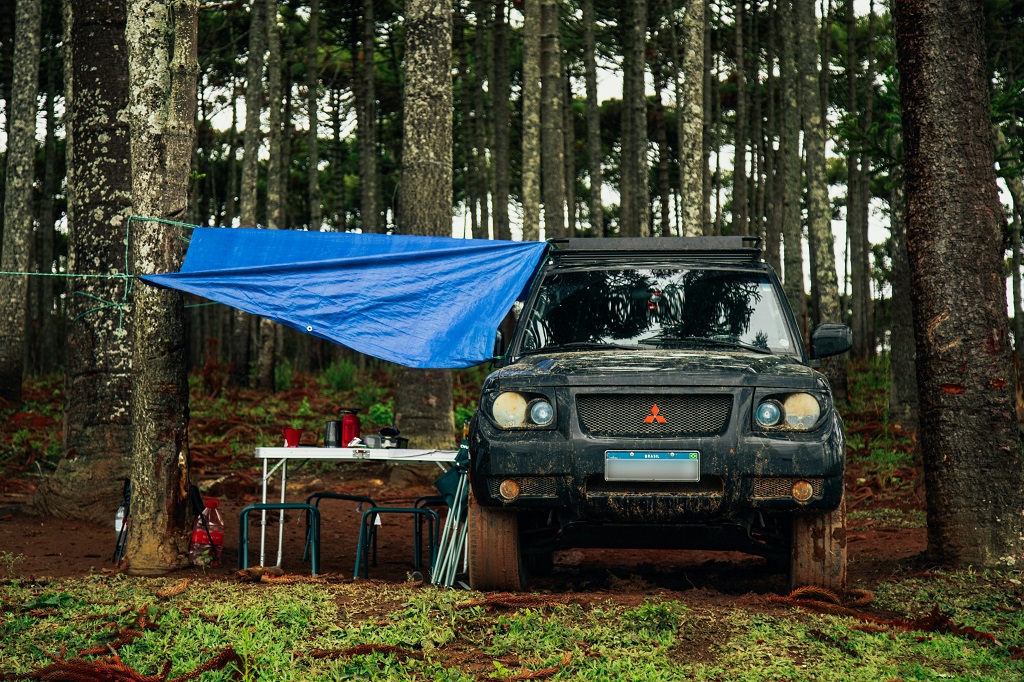
Knowing how to car camp starts with choosing the right vehicle for your family’s needs. Not every car is ideal for overnight stays. Here are some common vehicle options:
- SUVs and crossovers – Spacious interiors that can fit cots, sleeping bags, or inflatable mattresses.
- Minivans – Plenty of cargo space and comfortable seating for families.
- Pickup trucks – Use the bed with a camper shell or tent setup.
- Station wagons and hatchbacks – Smaller, but efficient for compact family trips.
Tips for choosing your car: Make sure your vehicle has good cargo space, reliable suspension for uneven terrain, and easy access to your campsite essentials.
How to Choose the Right Campsite for Families
Location can make or break your camping experience. Consider these factors:
- Proximity to amenities – Bathrooms, water, and trash disposal make trips smoother, especially with kids.
- Terrain and accessibility – Flat, open areas make setup easier and are safer for small children.
- Activities nearby – Hiking trails, lakes, and picnic areas keep the family entertained.
- Safety and regulations – Check local rules, fire restrictions, and wildlife warnings before arrival.
What Gear Is Essential for a Family Car Camping Trip?
Packing smart is key to a stress-free adventure. Essentials include:
- Shelter
- Tent or car awning
- Ground tarp or footprint
- Sleeping bags rated for local temperatures
- Inflatable mattresses or cots for comfort
- Cooking Equipment
- Portable stove or grill
- Fuel and fire starters
- Pots, pans, and utensils
- Cooler with ice packs
- Reusable plates, cups, and cutlery
- Lighting & Power
- Headlamps and lanterns
- Portable power banks
- Extra batteries
- Safety & First Aid
- First aid kit
- Flashlight
- Emergency whistle
- Bug spray and sunscreen
- Family Entertainment
- Board games and cards
- Hiking gear
- Binoculars and field guides
How to Organize Your Car for Maximum Efficiency
A well-packed car can make your camping experience smoother. Try these tips:
- Divide by category – Keep cooking, sleeping, and entertainment gear in separate bins.
- Use soft-sided bags – Easier to fit into tight spaces than rigid containers.
- Pack the essentials last – Items you’ll need immediately at the campsite should be easily accessible.
- Consider roof racks or cargo carriers – Expand storage without cluttering the interior.
How to Sleep Comfortably in a Car
Sleeping arrangements can vary based on your vehicle type and family size:
- SUV or minivan sleeping setup – Fold down seats and lay a thick camping mattress or air mattress across the cargo area. Add pillows and blankets for extra comfort.
- Pickup truck bed setup – Use a tent designed for truck beds or a waterproof tarp with sleeping pads.
- Hybrid options – Set up a tent next to your car and use the vehicle for storage and weather protection.
How to Cook Meals While Car Camping
Family camping meals don’t need to be complicated. Plan for simple, delicious options:
- Breakfast ideas – Pancakes, oatmeal, or breakfast burritos.
- Lunch – Sandwiches, wraps, and salads that can be prepared ahead.
- Dinner – Grilled meats, foil packet veggies, or one-pot pasta dishes.
- Snacks – Trail mix, fruit, and granola bars.
Tips for cooking: Bring a collapsible table for prep space and always follow fire safety regulations.
How to Stay Safe and Comfortable Outdoors
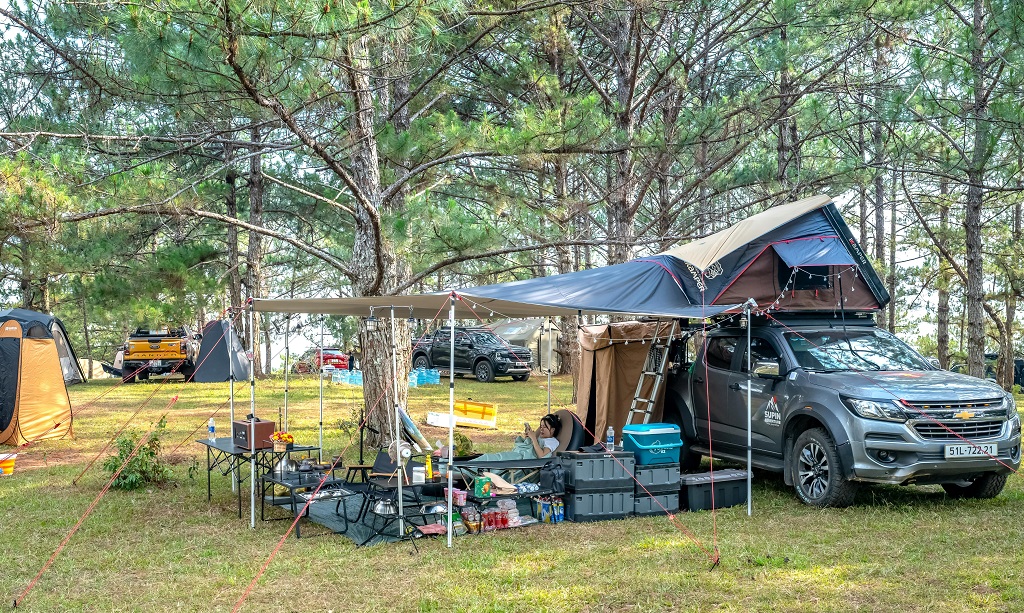
Even in a casual camping setup, safety is crucial:
- Weather preparation – Check forecasts and bring appropriate clothing layers.
- Bug and wildlife protection – Use insect repellent, keep food stored securely, and know local wildlife precautions.
- First aid readiness – Treat cuts or bites immediately and know where the nearest clinic is.
- Hydration and food safety – Keep water accessible and store perishables in a cooler.
How to Make Your Car Camp Eco-Friendly
Protecting the environment ensures future camping trips stay enjoyable:
- Leave no trace – Pack out all trash and minimize campsite impact.
- Use reusable gear – Plates, utensils, and water bottles reduce waste.
- Fire safety – Only use designated fire pits and fully extinguish fires.
- Respect wildlife – Observe from a distance and avoid feeding animals.
Common Mistakes to Avoid in Family Car Camping
Even experienced campers make mistakes. Avoid these pitfalls:
- Overpacking – Brings unnecessary stress and clutter.
- Forgetting key gear – Double-check your checklist before leaving.
- Ignoring weather forecasts – Sudden storms can ruin a trip.
- Not setting up early – Arrive with enough daylight to set up tents and sleeping areas comfortably.
How to Plan Your Car Camping Itinerary
Planning can maximize fun and minimize stress:
- Arrival and setup – Give yourself 1–2 hours for tent setup and organizing your campsite.
- Meals and snacks – Pre-plan meal times and keep food easily accessible.
- Activity windows – Schedule hikes, lake visits, or park explorations.
- Downtime – Include rest periods for kids and adults alike.
How to Handle Weather Challenges
Unexpected weather is part of any camping adventure. Here’s how to adapt:
- Rain – Ensure tents and tarps are waterproof. Bring raincoats and extra clothing.
- Heat – Park in shaded areas and stay hydrated. Use sun hats and sunscreen.
- Cold – Layer clothing, bring warm sleeping bags, and consider a car heater if safe.
How to Clean Up After Your Trip
Post-camping cleanup keeps your car and campsite in top shape:
- Car organization – Return gear to bins, remove trash, and wipe down surfaces.
- Laundry – Wash sleeping bags and clothes if needed.
- Check campsite – Ensure nothing is left behind and fires are fully out.
- Replenish supplies – Replace consumed fuel, food, or batteries for the next trip.
What Makes Car Camping Ideal for Family Memories?
Beyond gear and logistics, car camping is about creating lasting memories. Families can:
- Bond over campfire stories and shared meals.
- Teach children outdoor skills and responsibility.
- Enjoy spontaneous adventures without long hikes.
- Experience nature in comfort, making camping accessible for everyone.
Final Thoughts
Car camping offers families the perfect balance of comfort, convenience, and adventure. With careful planning, the right gear, and a flexible mindset, you can create unforgettable trips that bring your family closer to nature and to each other. Remember, it’s not just about the campsite—it’s about the memories made along the way.